
Choosing a care home is a significant decision, and it’s natural to have questions. Unfortunately, many people begin the process with outdated assumptions or misconceptions that can make the decision feel more difficult than it needs to be.
Modern care homes are designed to provide personalised support, encourage independence, and help residents enjoy a fulfilling quality of life. Understanding what residential care really involves can give families greater confidence when exploring the options available.
This guide debunks some of the most common myths about care homes, explaining what families can realistically expect and helping you make a more informed decision for yourself or a loved one.
Key Takeaways
- Moving into a care home does not mean giving up independence. Residents are encouraged to make their own choices while receiving the right level of support for their needs.
- Modern care is highly personalised. Support, daily routines, and activities are tailored to each resident rather than following a one-size-fits-all approach.
- Family life continues after moving into care. Regular visits, communication, and involvement in care all remain an important part of a resident’s life.
- Today’s care homes focus on both wellbeing and care. Comfortable surroundings, social opportunities, and engaging activities help residents enjoy a fulfilling lifestyle.
1. “Moving Into a Care Home Means Losing Your Independence”
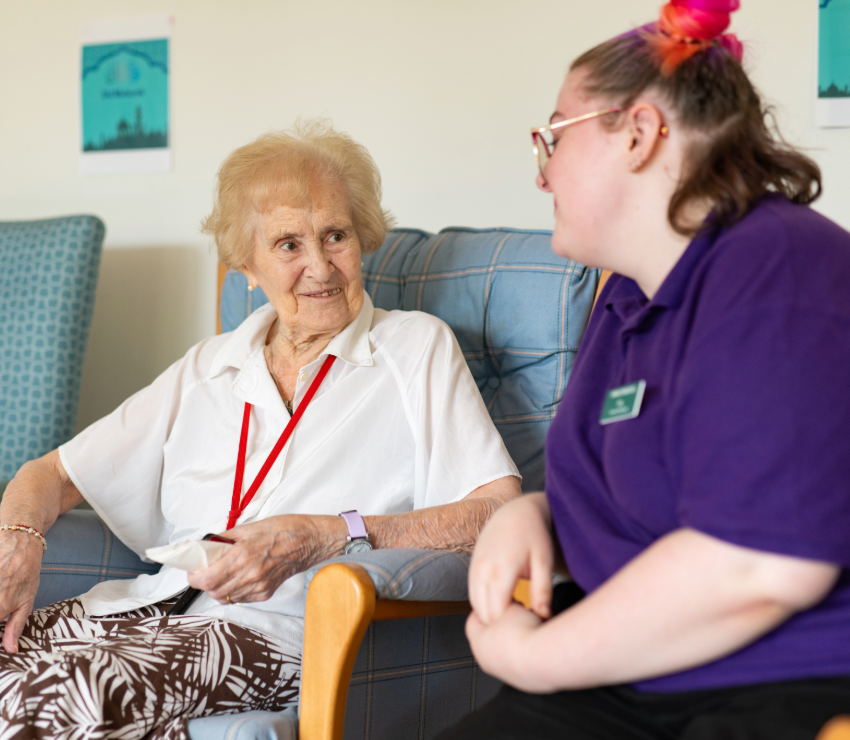
For many people, independence is about continuing to make their own decisions rather than doing everything without support. A well-run care home recognises that and encourages residents to remain in control of their daily routines wherever possible.
Whether it’s choosing what to wear, deciding how to spend the day, or enjoying favourite activities, residents are supported to maintain their independence while receiving help with tasks that have become more challenging. In many cases, having the right level of support actually gives people greater confidence and freedom than they experienced while struggling to manage alone at home.
2. “Care Homes Feel Clinical and Institutional”
This perception is often shaped by outdated images of care homes rather than the reality of modern residential care.
Today’s care homes are designed to provide comfort as well as care. Private bedrooms can often be personalised with familiar belongings, while welcoming lounges, dining areas, and landscaped gardens create spaces where residents can relax and socialise. Professional care remains a priority, but that sits alongside creating an environment that feels warm, familiar, and genuinely homely.
3. “Care Homes Provide the Same Care for Everyone”
No two residents have the same medical needs, personal preferences, or daily routines, so care should never be delivered in the same way.
Personalised care plans allow staff to understand how each resident likes to live, from dietary requirements and mobility needs to favourite hobbies and preferred routines. These plans are reviewed regularly and evolve, ensuring support continues to reflect the individual rather than following a standard approach.
4. “Families Are No Longer Involved”
A move into residential care changes the way support is provided, but it does not replace the role of family.
Relatives remain an important part of everyday life through regular visits, celebrations, outings, and ongoing conversations with the care team. Families also provide valuable insight into a resident’s personality, life story, and preferences, helping staff deliver more personalised care. With day-to-day responsibilities shared, many families find they can focus more on simply enjoying time together.
5. “Care Homes Are Lonely Places”
Social isolation is often one of the reasons people begin considering residential care in the first place. Living alone can make it difficult to maintain friendships or take part in regular activities, particularly if mobility has become limited.
A care home offers daily opportunities to connect with others, whether that’s chatting over meals, joining organised activities, or simply spending time in shared spaces. Residents can choose how involved they want to be, creating a balance between social interaction and personal time that suits them.
6. “Care Homes Are Only for Very Elderly People”
The decision to move into residential care is based on individual circumstances rather than reaching a particular age.
Some people benefit from extra support because of a long-term health condition, reduced mobility, or recovery following illness. Others decide to move while they are still active and independent, recognising that access to professional support, companionship, and a safe environment can enhance their quality of life for years to come.
7. “Moving Into Care Means Giving Up Hobbies”
Keeping active and engaged is an important part of maintaining physical health, mental wellbeing, and a sense of identity.
Rather than leaving hobbies behind, many residents discover new opportunities to pursue existing interests or try something different. From gardening and baking to arts and crafts, quizzes, music, or gentle exercise, activities are designed to encourage participation while reflecting the interests of the people who live there. The aim is to help residents continue enjoying the things that bring purpose and enjoyment to everyday life.
Experience Compassionate Care at Swarthmore Care Home
If you’re looking for a care home in Gerrards Cross, Buckinghamshire, Swarthmore Care Home provides compassionate, person-centred support in a welcoming environment trusted by local families for more than 70 years. Every resident is treated as an individual, with tailored care plans, engaging daily activities, and a dedicated team committed to promoting independence, dignity, and wellbeing.
Whether you’re exploring long-term residential care or seeking short-term respite, Swarthmore offers a warm family atmosphere where residents can feel safe, valued, and at home.
Residents and their families can benefit from:
- Personalised care plans designed around individual needs, preferences, and routines.
- Experienced, caring staff committed to providing dignity, respect, and support.
- Comfortable accommodation, engaging activities, and a beautiful, accessible sensory garden.
- Strong links with local healthcare professionals to help maintain high standards of care.
- Nutritious meals, family involvement, and a warm community environment.
Discover more about our residential care home in Buckinghamshire and arrange a visit to experience the Swarthmore difference.