
Around 1 million older people in the UK experience loneliness (Age UK), highlighting the importance of social connection in later life. Changes such as bereavement, retirement, reduced mobility, or living further away from family and friends can all affect how connected someone feels.
A care home can provide opportunities for regular companionship, meaningful activities, and everyday social interaction. Swarthmore Care Home in Gerrards Cross, Buckinghamshire, has many years of experience providing residential, dementia, and respite care, with a focus on person-centred support and a warm, homely environment.
In this article, we look at why loneliness can affect older people, how care homes can support social connection, and how families can help their loved ones maintain meaningful relationships.
Key Takeaways
- Regular social contact matters: Having people around to talk to and spend time with can help older people maintain a sense of connection and belonging.
- Meaningful activities provide purpose: Shared activities, hobbies, games, and reminiscence can encourage conversation and help residents build friendships.
- Family connections remain important: Visits, phone calls, and video calls can help older people maintain relationships with the people who matter to them.
- A supportive care environment can help: A welcoming care home can provide companionship, structure, activities, and opportunities to socialise throughout the day.
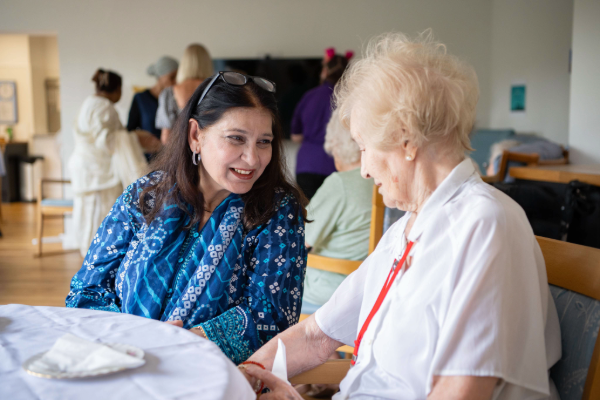
Why Can Older People Experience Loneliness?
There are many reasons why an older person may begin to feel lonely. Often, it is not simply a matter of being physically alone. Someone can have regular contact with other people and still feel disconnected or unable to maintain meaningful relationships.
Life changes can contribute to this. The loss of a partner or close friend can leave a significant gap in someone’s daily life. Retirement can also remove regular social contact that previously came through work, while reduced mobility may make it harder to visit friends, attend activities, or get out into the local community.
Family circumstances can play a part, too. Relatives may live some distance away or have work and family commitments that make frequent visits difficult.
These changes can gradually reduce opportunities for conversation, companionship, and shared experiences. Having regular opportunities to interact with others can therefore become particularly important in later life.
How Can Care Homes Help Combat Loneliness?
A care home can provide an environment where social interaction is naturally part of everyday life. Residents have opportunities to spend time with other people throughout the day, while staff can provide encouragement and support when someone is finding it difficult to get involved.
Building Friendships and Companionship
Moving into a care home does not mean losing independence or individuality. It can give residents new opportunities to meet people with similar interests and experiences.
Small-group activities, communal meals, conversations, and informal time can help friendships develop naturally. Residents can also receive one-to-one support and companionship when they would prefer quieter interaction.
For someone who has become increasingly isolated at home, having people nearby can make a meaningful difference to their daily routine.
Creating Structure and Purpose
Having something to look forward to can help give the day a sense of purpose. Regular activities provide opportunities to participate, learn, create, exercise, or simply spend time with other people.
This does not mean every resident needs to take part in every activity. Person-centred care means recognising individual interests and preferences, allowing people to choose how they spend their time.
Encouraging Conversation Through Reminiscence
Reminiscence can be a particularly valuable way of encouraging social interaction. Talking about childhood, family, work, hobbies, holidays, music, or important events can allow residents to share experiences and learn more about one another.
Families can also use reminiscence when visiting an older relative. Asking open questions about their life can create meaningful conversations and provide opportunities to connect.
For example:
- “What is one of your happiest memories?”
- “Who were your closest friends when you were younger?”
- “What did you enjoy doing in your spare time?”
- “What are you most proud of?”
- “What was your first job like?”
There is no need to turn these conversations into an interview. Often, one question can lead naturally into stories, memories, and further discussion.
Activities That Can Bring People Together
Activities can provide an easy way for residents to meet and interact with one another. They also give people something enjoyable to look forward to during the day.
The most effective activities are those that reflect the interests and abilities of the people taking part. At Swarthmore, activities can include musical entertainment, movie afternoons, arts and crafts, poetry, quizzes, and exercise sessions.
Shared activities can encourage interaction in different ways. A quiz may prompt friendly competition and conversation, while a creative activity can give residents the chance to work alongside one another. Music can also be a powerful way to encourage participation and bring back familiar memories.
Seasonal events and birthdays provide further opportunities to celebrate together. Even a simple birthday celebration can help someone feel recognised and included within their community.
Staying Connected With Family and Friends
Social connection within a care home is important, but relationships with family and friends remain a vital part of life.
Families may not always be able to visit as often as they would like. Distance, work, caring responsibilities, or other commitments can make regular visits difficult. This is where other forms of communication can help.
Phone calls and video calls can provide an opportunity to see and speak to loved ones between visits. Families can also remain involved in everyday life by sharing photographs, talking about what has been happening at home, or discussing familiar interests.
When visiting in person, spending time together does not always need to involve a planned activity. Sitting together over a cup of tea, looking around the garden, sharing a meal, or simply having a conversation can all help maintain a sense of connection.
How Can Families Help an Older Relative Feel Less Lonely?
Families can play an important role in helping an older relative maintain meaningful social connections, whether they live independently or in a care home. Small, regular interactions can help someone feel remembered, involved, and connected to the people they care about.
Families can help by:
- Keeping in regular contact through visits, phone calls, or video calls when meeting in person is not possible.
- Making visits meaningful by spending time talking, looking through photographs, enjoying a cup of tea, or taking a walk together.
- Encouraging favourite interests and hobbies by helping an older relative continue activities they enjoy or discover new ones.
- Talking about memories and experiences to encourage conversation and give an older person the opportunity to share stories about their life.
- Helping maintain existing friendships by supporting contact with friends, former colleagues, neighbours, or other important people in their life.
- Paying attention to changes in behaviour and discussing concerns with a GP or appropriate healthcare professional if an older relative becomes increasingly withdrawn or seems persistently low.
Loneliness can have many different causes, so changes in mood or behaviour should not automatically be attributed to social isolation. However, maintaining regular contact and taking an interest in an older person’s daily life can help ensure they continue to feel connected and supported.
How Can a Care Home Create a More Social Environment?
The care home environment can make a real difference to how easily residents interact with the people around them. Thoughtfully designed shared spaces, accessible gardens, and communal areas can create natural opportunities for conversation and companionship throughout the day.
A care home can support social connection by:
- Providing comfortable communal spaces where residents can sit together, chat, read, or spend time outside their rooms.
- Creating accessible outdoor areas that allow residents to enjoy fresh air, nature, and informal social time at their own pace.
- Offering communal dining experiences where residents can enjoy meals together and have the opportunity to talk and build relationships.
- Organising regular activities that give residents opportunities to discover shared interests and interact with others.
- Celebrating birthdays and special occasions to create shared experiences and help residents feel recognised and included.
- Encouraging individual choice so residents can decide how they want to spend their time and participate in activities that suit their interests and abilities.
Swarthmore Care Home has landscaped gardens designed to be enjoyed throughout the seasons, including an accessible sensory garden. Residents can spend time outdoors when the weather allows or enjoy views of the gardens from inside during colder months.
View this post on Instagram
A More Connected Way of Living at Swarthmore Care Home
Swarthmore Care Home provides residential care in Gerrards Cross, Buckinghamshire. The home has a warm, characterful environment, with a focus on compassionate, person-centred care.
Daily life includes opportunities for residents to socialise, take part in activities, enjoy meals together, spend time outdoors, and build relationships with those around them. The care team provides support while respecting each resident’s independence, dignity, and individual preferences.
For families considering a care home in Gerrards Cross, understanding how a home supports social wellbeing is just as important as considering the practical aspects of care. A residential care environment should provide opportunities for people to feel included, supported, and part of a community.
If you would like to find out more about life at Swarthmore Care Home or discuss residential, respite, or end-of-life care, get in touch with the team today to arrange a conversation or discuss your requirements.