
When an older loved one begins to need a little more support, knowing what type of care is right for them can be difficult. Is residential care only suitable for those with significant care needs, or could it be the right choice in other circumstances, too?
In this guide, we explore who residential care homes are suitable for, helping families understand when residential care may be appropriate and what to consider when exploring care options for an older loved one.
Key Takeaways
- Residential care can suit older adults with different needs, including those who need help with everyday tasks, are becoming less confident living alone, or are experiencing memory changes.
- Residential care offers more than practical support, providing companionship, social opportunities, activities, nutritious meals, routine, a safe environment, and opportunities to maintain independence.
- Swarthmore is a CQC-registered care home in Gerrards Cross, providing person-centred residential care with 24-hour support, comfortable private rooms, personalised activities, landscaped gardens, and communal spaces.

What Is Residential Care?
Residential care is a type of care where a person lives in a care home and receives ongoing support from trained care professionals. Residential care is generally considered for people aged 60 and over, although suitability is based on individual circumstances rather than age alone.
Alongside comfortable accommodation, residents have access to 24-hour support, providing reassurance that help is available whenever it is needed. Support can include everyday activities such as washing and dressing, eating and drinking, taking medication, and moving around safely. The level of assistance provided will depend on the individual, with care tailored to their needs and preferences.
Unlike home care, where a care professional visits someone in their own home at agreed times, residential care provides both accommodation and support in one place, with trained staff available around the clock.
Also read: What Is a Residential Care Home?
Who Can Benefit From Residential Care?
Residential care can be suitable for older adults in a variety of circumstances. There is no single set of needs that means someone should move into a care home, and the right choice will depend on their individual circumstances and level of support required. Below, we explore some of the circumstances in which residential care may be appropriate.
Older Adults Who Need Help With Everyday Tasks
For some older adults, everyday tasks can gradually become more difficult without additional support. This may include:
- Washing and bathing: Support with personal hygiene when getting in and out of the bath or shower becomes more difficult.
- Dressing: Assistance with choosing, putting on, or removing clothing when mobility or dexterity makes this challenging.
- Preparing and eating meals: Help with preparing nutritious meals and, where needed, eating and drinking.
- Medication: Support with taking medication correctly and at the appropriate times.
- Mobility: Assistance with moving around safely, whether this means walking, transferring between a chair and bed, or using mobility aids.
- Toileting and personal care: Support with using the toilet and maintaining personal hygiene where required.
Residential care can provide practical assistance with these aspects of daily life, while encouraging residents to remain as independent as possible and do the things they can manage for themselves.
People Who Are Becoming Less Confident Living Alone
An older person may still be able to manage many aspects of daily life but begin to feel less confident or secure when living alone. This may follow a fall or near miss, for example, or develop because they are increasingly worried about using the stairs, getting in and out of the bath, or being unable to get help quickly if something goes wrong.
They may also find certain household responsibilities harder to manage, such as shopping for groceries, cleaning, doing laundry, preparing meals, or keeping on top of household chores. Spending long periods alone can also become difficult, particularly if they feel anxious or isolated.
Having trained staff nearby can provide reassurance and a greater sense of security, while living alongside other residents can help create a more sociable and supportive environment.
People Experiencing Memory Problems or Early Signs of Dementia
Changes in memory can happen as we get older, but increasing forgetfulness or confusion can sometimes begin to affect everyday life. Importantly, someone does not need to have a dementia diagnosis to consider residential care, particularly where memory problems are beginning to make independent living more difficult.
This could include repeatedly asking the same questions, forgetting familiar names or information, becoming confused about the time or place, losing track of conversations, or struggling to follow familiar routines. Someone may also find previously familiar tasks increasingly difficult to complete.
These changes do not automatically mean that someone has dementia, and forgetfulness alone does not mean that residential care is necessary. However, if changes in memory are affecting a person’s daily life, confidence, or safety, it may be appropriate to seek professional advice and explore the support available.
Did You Know? Swarthmore is also a dedicated dementia care home in Buckinghamshire, providing personalised support for people living with the condition.
What Does Residential Care Offer Beyond Practical Care?
Residential care provides more than help with the practical aspects of daily life. For many adults, moving into a care home can also offer a supportive environment where they can maintain social connections, enjoy their interests, and continue to have choice and independence in their daily lives.
- Companionship and social connection: Living alongside other residents and having regular interaction with care staff can provide opportunities for conversation, friendship, and shared experiences throughout the day.
- Activities and interests: Residents can have opportunities to take part in activities, hobbies, and pastimes that reflect their interests, helping them stay engaged and enjoy their time.
- Freshly prepared meals: Mealtimes can become a social part of the day, allowing residents to enjoy nutritious food while eating alongside others.
- Routine and structure: A familiar daily routine can provide a sense of stability, while residents can still have flexibility and choice over how they spend their time.
- A safe and comfortable environment: Having a dedicated place to live, with appropriate support available, can provide reassurance and create an environment where residents can feel secure and at ease.
- Independence and choice: Receiving support does not mean losing independence. Residents can be encouraged to make their own decisions and continue doing the things they are able to do for themselves, with assistance provided where necessary.
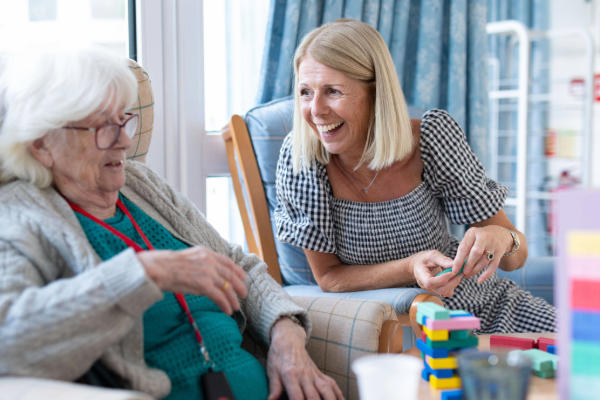
What to Expect From Residential Care at Swarthmore
At Swarthmore Care Home, residential care home in Buckinghamshire, care is centred around the individual. Each resident has a personalised care plan based on their specific needs, preferences, and personal history, with staff taking the time to get to know the people they care for. This helps ensure support is provided in a way that respects each person’s routines, choices, and independence.
“At Swarthmore, we believe great care is about getting to know each resident and what makes them who they are. We want people to feel safe, comfortable, and genuinely at home, while continuing to enjoy the things that matter to them,” says Sally Warminger, Success Manager.
Residents can also benefit from:
- 24-hour care and support: Experienced and well-trained staff are available around the clock, with support including personal care and medication management as required.
- Comfortable private rooms: Residents have their own comfortable bedroom they are free to personalise, with rooms offering features such as en-suite facilities, Wi-Fi, and a 32-inch smart TV. Some also have direct access to the garden or views of the surrounding countryside.
- Activities and social opportunities: There is a varied programme of activities to choose from, from exercise and arts and crafts to music, outings, and pet therapy.
- Gardens and communal spaces: Residents can enjoy landscaped and sensory gardens, a light-filled lounge, and a quiet room, providing different spaces for socialising, relaxing, enjoying hobbies, or spending time with family and friends.
- On-site hairdressing and chiropody: Practical services such as hairdressing and chiropody are available on site, making it easier for residents to access these services without having to leave the home.
- Additional care options: Alongside residential care, Swarthmore also offers dedicated dementia care and respite care in Buckinghamshire, providing additional options for individuals and families with different care requirements.
- A family-like atmosphere: As an independent care home, Swarthmore places strong emphasis on creating a warm, welcoming environment where residents can feel at home and build relationships with both fellow residents and the care team.
Swarthmore, a care home in Gerrards Cross, is also CQC registered, providing families with further reassurance when considering care for a loved one.
Find out more about residential care at Swarthmore and get in touch with our friendly team today.